
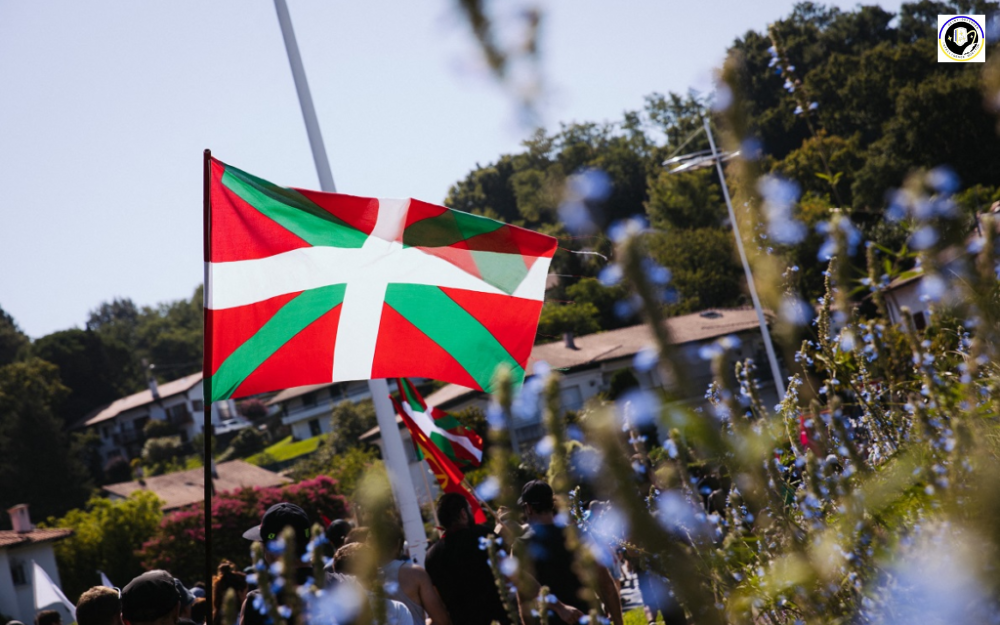
The term basqueserpartists points to a long and emotional story. It connects to people in the Basque region who want self-rule. They want to protect their culture, language, and identity. This story mixes pride, pain, politics, and hope. So, we must explore it with care and clarity.
Many people outside Europe do not know this history. Yet, the movement shaped modern Spain and even France. Over time, the voice of basqueserpartists changed from protest to politics. Today, the topic still matters because identity still matters.
This article explains who the basqueserpartists are, where they live, why they want independence, and how their struggle changed through the years.
Where the Basque Region Is Located
The Basque homeland lies between northern Spain and southwestern France. Mountains, green valleys, and the Bay of Biscay shape this land. Because of this geography, the region stayed somewhat isolated for centuries. That isolation helped protect culture and traditions.
People in this region call their land Euskal Herria, which means “the land of the Basque language.” This name shows how deeply language ties to identity. Several cities sit in this area, including Bilbao, San Sebastián, and Vitoria-Gasteiz.
Even though two modern countries divide the land, many locals feel like one people. So, the idea of unity feeds the beliefs of many basqueserpartists.
The Ancient and Unique Basque Language
The Basque language, called Euskara, stands out in Europe. It does not belong to any known language family. Linguists still debate where it came from. This mystery makes it very special.
For many locals, Euskara acts as proof of ancient roots. Parents teach it to children with pride. Schools and media also promote it strongly. Because of this, the language survived wars and political pressure.
Many basqueserpartists say that protecting Euskara means protecting their people. So, language often sits at the center of the independence movement.
Early History and Strong Identity
The Basque people lived in this region long before Spain or France existed. They had their own laws, customs, and local councils. These systems gave them a sense of freedom.
During the Middle Ages, Basque provinces enjoyed special rights called fueros. These rights allowed them to govern themselves in many ways. They paid taxes differently and controlled local matters.
When these rights slowly disappeared, anger grew. Over time, this loss of freedom planted early seeds of what later became the ideas of basqueserpartists.
Loss of Rights and Growing Frustration
In the 19th century, Spain removed many local rights after civil wars. The Basque people felt betrayed. They believed Madrid ignored their history and identity.
At the same time, industrial growth brought outsiders into the region. This change made locals fear cultural loss. So, nationalism started to grow stronger.
As frustration increased, early nationalist thinkers began to speak loudly. Their ideas later influenced modern basqueserpartists.
The Role of General Franco’s Rule
The dictatorship of Francisco Franco changed everything. After the Spanish Civil War, Franco banned regional languages and cultures. Euskara became illegal in public life.
People could not teach their children in their native tongue. Cultural symbols also faced bans. Because of this, many felt their identity was under attack.
This harsh rule pushed some young people toward radical ideas. As a result, the movement of basqueserpartists became more intense and more emotional.
The Rise of ETA
In 1959, a group called Euskadi Ta Askatasuna, known as ETA, formed. The name means “Basque Homeland and Freedom.” At first, it focused on culture and resistance.
Soon, the group chose violence. It carried out bombings and assassinations. This period brought fear across Spain. Many innocent people lost their lives.
Because of ETA, the word basqueserpartists often linked to violence in the public mind. However, not all supporters agreed with these actions.
Violence, Fear, and Public Opinion
ETA’s attacks shocked the country. Government officials, police officers, and civilians became targets. News reports spread fear daily.
As years passed, many Basque citizens grew tired of violence. They still wanted autonomy, but they rejected bloodshed. Families suffered on all sides.
So, public opinion slowly shifted. People began to look for peaceful ways to express the goals of basqueserpartists.
Spain’s Return to Democracy
After Franco died in 1975, Spain became a democracy. A new constitution allowed regions to gain autonomy. The Basque Country received significant self-governing powers.
The region gained control over education, police, and taxes. Euskara returned to schools and public life. Culture began to bloom again.
Because of these changes, many people felt hopeful. Yet, some basqueserpartists still believed full independence was the only true solution.
Political Parties and Peaceful Movements
Over time, political parties began to represent Basque nationalist ideas peacefully. They joined elections and worked within the system. Dialogue slowly replaced violence.
These parties pushed for more rights through law and debate. Citizens voted and shared opinions openly. This shift changed the image of the movement.
Now, many basqueserpartists support political action instead of armed struggle.
The End of ETA’s Armed Campaign
In 2011, ETA announced a permanent end to its armed actions. Later, in 2018, the group officially dissolved. This moment marked a huge change.
People across Spain and the Basque region felt relief. Healing could finally begin. Families remembered victims and looked toward peace.
This end allowed the story of basqueserpartists to move away from violence and toward identity and culture.
Culture, Festivals, and Daily Life
Basque culture shines through food, dance, and festivals. Traditional sports, music, and clothing still thrive. These customs build strong community bonds.
Food also plays a big role. Dishes like pintxos bring people together in social spaces. Shared meals strengthen identity.
Through culture, basqueserpartists express pride without conflict. They show who they are through celebration.
Why Some Still Want Independence
Even with autonomy, some people believe independence matters. They argue that true control only comes with a separate nation. They want full authority over laws and international relations.
Others feel emotionally connected to the idea of a Basque nation. History, language, and shared memory shape this belief.
So, the ideas of basqueserpartists still live on, though in calmer ways.
Modern Views Among Young People
Today, young Basques grow up in peace. They learn Euskara in school and enjoy cultural freedom. Because of this, their views differ from past generations.
Many care more about jobs, climate change, and global issues. Still, they respect their heritage deeply. Identity remains important to them.
Some young basqueserpartists support independence, while others prefer strong autonomy within Spain.
How the World Sees the Movement
International observers now see the Basque issue as mostly peaceful. Scholars study it as an example of conflict turning into dialogue. This change earns respect.
The story often appears in discussions about regional identity worldwide. Other regions learn from this experience.
Thus, basqueserpartists now represent cultural pride more than conflict.
FAQs
1. What does basqueserpartists mean?
It refers to people in the Basque region who seek independence or strong self-rule.
2. Is the movement still violent?
No. Violence ended when ETA dissolved in 2018.
3. Do all Basque people want independence?
No. Opinions differ widely across the region.
4. Why is the Basque language important?
It shows ancient roots and strong cultural identity.
5. Is the Basque region already autonomous?
Yes. It has high levels of self-government within Spain.
Conclusion
The journey of basqueserpartists tells a deep human story. It speaks about identity, loss, struggle, and healing. Over time, the movement changed from anger to dialogue. Today, culture and politics carry the message forward.
The Basque people continue to protect their language and traditions with pride. While some still dream of independence, many focus on peace and progress. Their story shows how history shapes identity and how hope can replace conflict.
